
Light Duty vs. Full Duty: How to Handle Return-to-Work in Michigan
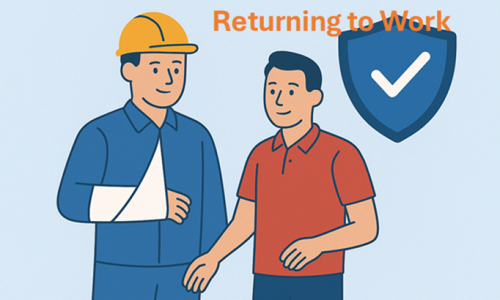
When an employee is injured on the job, Michigan employers must carefully manage the transition back to work. Whether through light duty, modified duty, or full duty, handling return-to-work correctly helps reduce workers’ compensation costs, prevent disputes, and keep your workforce healthy and productive.
With UAP as your PEO, we coordinate directly with your workers’ compensation carrier, help outline compliant return-to-work procedures, and ensure all documentation stays organized, so your focus can stay on your people, not paperwork.
Understanding “Light Duty” and “Full Duty”
Under the Michigan Workers’ Disability Compensation Act, light duty (or modified work) refers to tasks that accommodate an injured employee’s medical restrictions while they recover. Full duty means the employee is released by a medical provider to resume their normal job functions without restrictions.
Light-duty work isn’t just a nice gesture; it can have a direct impact on your workers’ compensation insurance and claim costs. If suitable work is offered and the employee refuses without good cause, their wage-loss benefits may be reduced or suspended under Michigan law (MCL418.301(5)).
Developing a Return-to-Work Policy
Every Michigan employer, especially those in higher-risk industries like construction, manufacturing, trucking, and landscaping, should have an internal Return-to-Work Policy that outlines:
- The process for identifying light-duty opportunities.
- Communication procedures between the employee, employer, and medical provider.
- Expectations for performance and duration of modified duty.
- Procedures for transitioning back to full duty.
UAP helps employers implement these policies in alignment with both MIOSHA and Workers’ Compensation Agency standards. A well-documented program not only demonstrates compliance but also strengthens your position if disputes arise.
Communicating with Medical Providers
Employers should stay in regular contact with the treating physician and insurance carrier to ensure restrictions are clear and tasks assigned comply with the medical release. At UAP, we manage this communication on behalf of our clients, ensuring every restriction is properly documented and followed. Always request written documentation of restrictions, for example, “no lifting over 20 pounds” or “seated work only.”
Practical Light-Duty Examples
- Construction: Inventory tracking, equipment maintenance logs, or safety training assistance.
- Trucking: Dispatch support, route scheduling, or vehicle inspections.
- Manufacturing: Quality checks, labeling, or administrative tasks.
- Healthcare: Chart auditing, patient intake documentation, or scheduling.
Key Compliance Tips
- Never assign tasks beyond the medical release. Doing so could lead to reinjury and potential legal exposure.
- Document every stage, from initial injury reports to light-duty assignments and full-duty release.
- Track work hours and wages accurately. Light-duty pay should comply with both FLSA and Michigan wage laws.
- Reassess regularly. Light-duty work should be temporary and re-evaluated as medical updates are received.
The Bottom Line
By having UAP handle employee return-to-work cases properly, you can maintain morale, reduce costs, and ensure compliance. A structured, transparent process built on clear communication and thorough documentation protects everyone — from the recovering employee to the employer. Call us if you need assistance.